
Adolescence is a time of remarkable growth and change. Young people are developing their identities, navigating relationships, gaining independence, and learning to make increasingly complex decisions. At the same time, their brains are undergoing significant changes that influence how they think, feel, learn, and respond to the world around them.
Understanding these changes can help parents, caregivers, and educators better support adolescents, particularly those experiencing substance use challenges.
A Brain Still Under Construction
The brain develops throughout childhood and into early adulthood. This development generally progresses from the back of the brain, which manages more basic functions, toward the front, where skills such as planning, judgment, impulse control, and decision-making are supported.
During adolescence, the brain undergoes a process called synaptic pruning. Connections between brain cells that are frequently used become stronger, while less-used connections are gradually eliminated—and this helps the brain become more efficient.
The adolescent brain is also highly plastic, meaning it is especially adaptable and responsive to experiences and learning. This flexibility creates tremendous opportunities for growth. And it also makes adolescents particularly vulnerable to the effects of substances on developing brain systems (Jensen, 2015).
How Substances Affect the Brain’s Reward System
The brain has a natural reward system that helps us recognize and repeat experiences important to our well-being.
When we enjoy something rewarding, such as a favorite food or a meaningful social experience, the brain releases dopamine. This chemical plays an important role in motivation, learning, and reinforcing behaviors.
Substances such as alcohol and other drugs can affect this system by producing unusually strong or altered reward signals.
With repeated exposure, the brain may adapt to these effects, strengthening associations between substance use and reward. Over time, these changes can contribute to cravings, difficulty regulating use, and the development of substance use disorder.
For adolescents, whose brains are still developing, these effects can be especially significant.
The Impact on Adolescent Development
Healthy adolescent development happens through everyday experiences, relationships, challenges, and opportunities to learn, and they develop important cognitive, emotional, and social skills. When substance use becomes a primary way of coping with stress or managing difficult emotions, it can interfere with these developmental experiences.
For some adolescents, substance use disorder can affect academic progress, relationships, emotional regulation, decision-making, and other areas of development—creating gaps between a young person’s chronological age and the skills or experiences they have had the opportunity to develop.
Recognizing these gaps helps families, educators, and treatment providers understand where additional support and skill-building may be needed.
Recovery Creates Opportunities for Growth
One of the most encouraging aspects of adolescent brain development is its capacity for continued learning, adaptation, and healing.
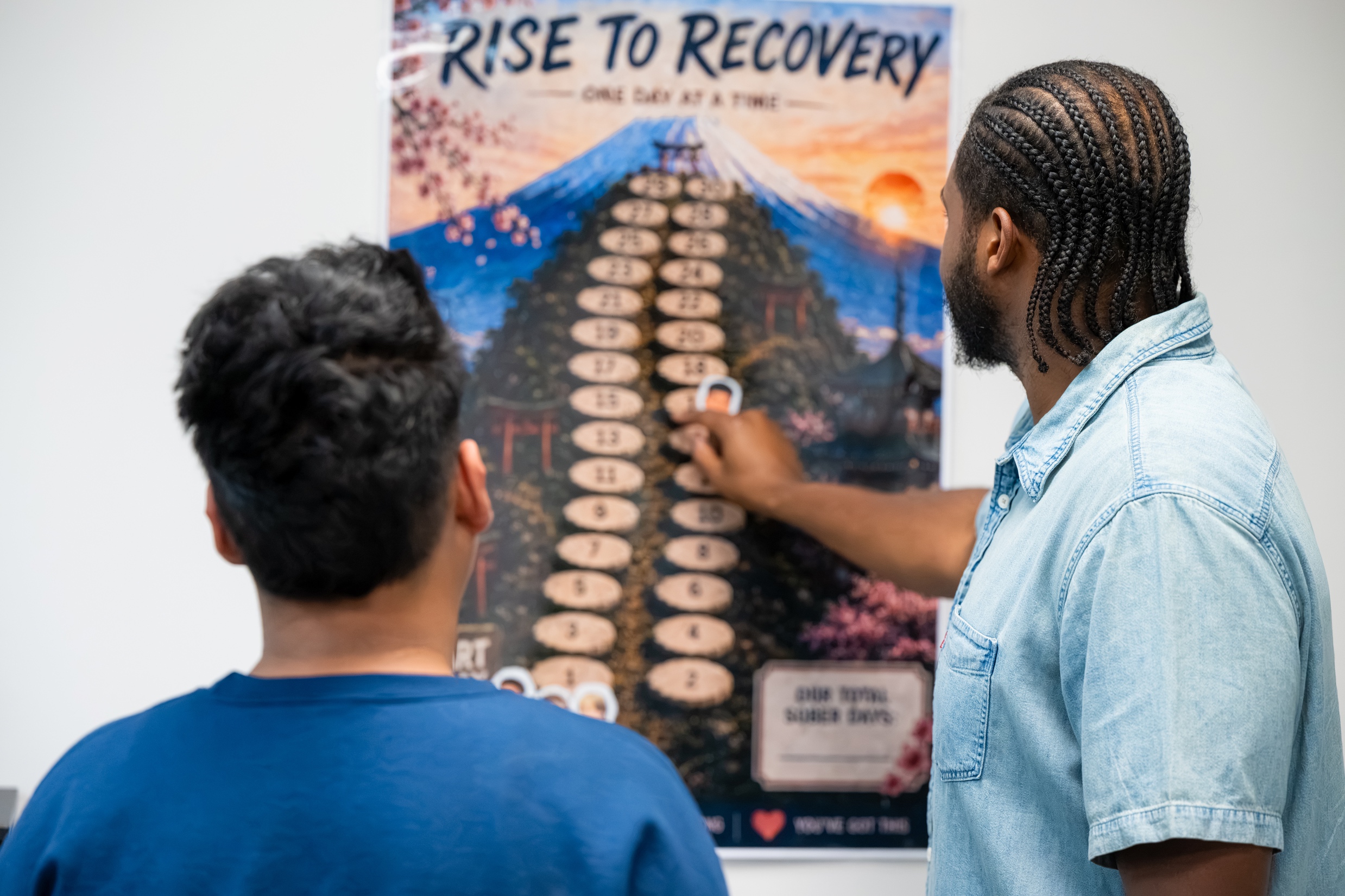
With treatment and recovery support, young people can begin to strengthen coping skills, rebuild relationships, develop emotional awareness, and reconnect with educational and personal goals.
Early intervention can make a meaningful difference. Consistent support from families, schools, treatment providers, and communities helps create an environment where young people can continue developing the skills they need for adulthood.
At Hope Academy, this understanding shapes our approach to recovery-centered education. By integrating academic instruction, recovery support, and family engagement, we help students continue learning and growing while building a foundation for long-term recovery.
Adolescence is a period of tremendous possibility.
Reference
Jensen, F. E. (2015). The teenage brain: A neuroscientist’s survival guide to raising adolescents and young adults. Harper.